
Exercise Animations for Fitness Apps: Custom vs Stock
Compare stock and custom exercise animations for fitness apps: asset formats, licensing, movement review and pilot tests. Plan a clear production brief.

Should your fitness app license an exercise animation library or commission custom assets?
Choose stock exercise animations when the available movements, visual style, delivery files and licence fit your product. Commission custom work when you need a particular character, equipment, movement sequence or technical handoff. A hybrid library can combine licensed demonstrations with commissioned assets, provided the permissions and visual differences are understood. Start with the app requirement, then compare the available production routes.
This guide is for fitness-app teams, coaching platforms and wellness brands making that buying decision. It covers asset selection rather than exercise prescription. Your qualified movement specialist should approve demonstrations and supporting instructions for their intended audience. Photographs illustrate exercise review and production planning; they are not screenshots of animation libraries or examples of Mimic client delivery. For the broader production service, explore fitness animation and motion capture.
Table of Contents
Choose the exercise animation asset your app needs
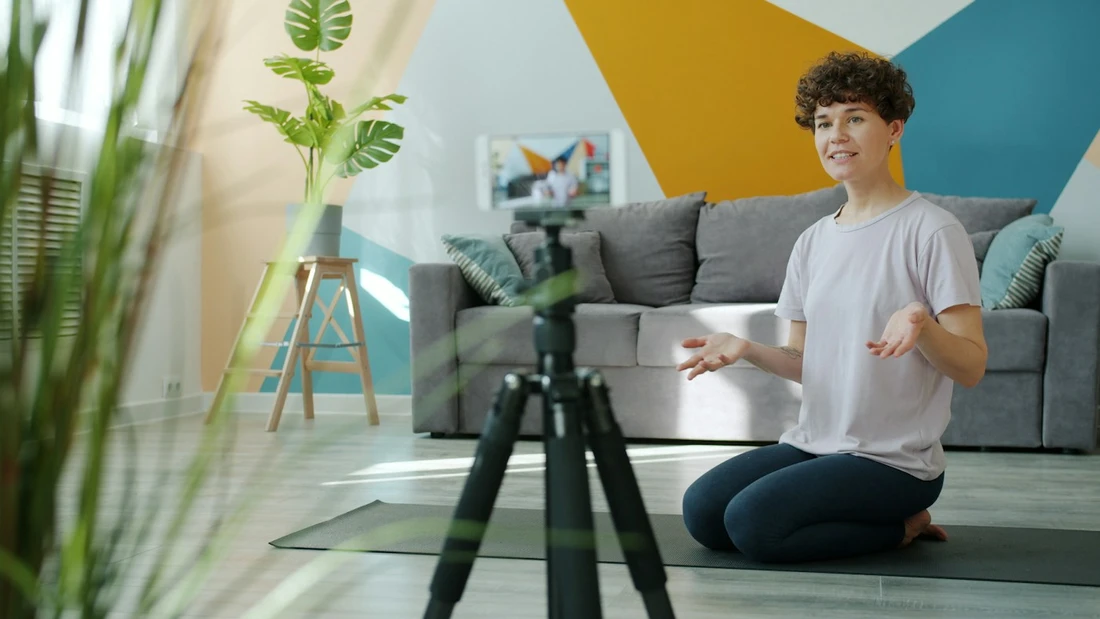
Before comparing suppliers, decide what the app must display. A rendered demonstration is a finished sequence played as media. An editable 3D asset may include a model, textures, a rig and animation data that your development team integrates into an engine. These deliverables answer different requirements. A folder of exercise videos does not automatically contain a character you can rotate, relight or animate interactively.
For a rendered library, specify framing, background, clip duration, resolution and the start and end of each repetition. Ask how the movement looks inside the actual workout screen, with timers, labels and navigation visible. A polished full-screen preview can lose useful detail when reduced to a small mobile panel. Check whether left and right variations, equipment changes and alternative camera views are separate deliverables.
For real-time 3D, ask the development lead to define the receiving engine, rig requirements, performance budget and import checks. Agree what files are supplied and which integration tasks belong to the studio or app team. Unity’s animation-clip documentation describes animation data used to drive an animated character; it is a different delivery concept from a pre-rendered video. An example library provider, MoveKit, explicitly describes its current product as downloadable exercise media, not an application framework.
Build a small requirement list before browsing a large catalogue:
Define the exercise names, equipment and variations your first release needs.
State whether users only watch a fixed view or interact with a real-time character.
Identify minimum devices, playback controls, offline needs and accessibility requirements.
Separate demonstration assets from written instructions, programme logic and coaching content.
Name the people who approve movement, visual style and technical delivery.
If a recognisable character is part of the product, review custom virtual fitness coach production. Character design is one production decision; voice, conversation, exercise selection and camera-based assessment are separate features. Avoid assuming that an attractive demonstration includes any of them. The choice should come from the experience your team intends to build.
Compare stock, custom and hybrid exercise animations
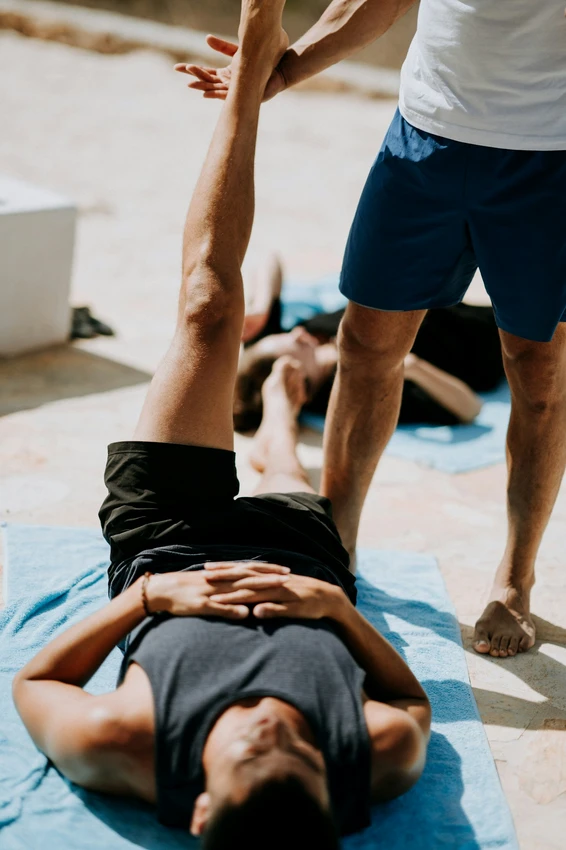
Stock libraries suit a brief that can accommodate existing assets. Preview the movements you actually need, not just a promotional montage. Check the character, clothing, equipment, camera, tempo and visual cues across several clips. A library can be consistent overall while missing a variation important to your product. The useful comparison is the cost and effort of covering your approved exercise list, including gaps, rather than the largest advertised clip count.
Custom production suits requirements the catalogue cannot meet. That may mean a branded character, unusual equipment, a specific view, a movement sequence or an editable delivery. Custom work still needs decisions and approvals: references, character scope, representative movements, review stages and acceptance criteria. It does not automatically include unlimited revisions or every future exercise. Keep the production method separate from the purchase decision; our motion capture versus keyframe guide explains how movement can be created.
A hybrid route can fill selected gaps. For example, a team might license common demonstrations and commission a small set for specialised equipment. This is an illustrative approach, not a claim about a completed Mimic project. Before choosing it, ask whether differences in character, lighting, camera and movement style would confuse the interface. Confirm whether either supplier permits the changes needed to bring the assets together. Combining two sources does not remove either set of usage conditions.
Use the same practical questions for each route:
How much of the approved exercise list is covered, including variations?
Can the visual identity fit the product without changes the licence does not allow?
Which files are included, and which require additional production or integration?
How are missing exercises, corrections and future additions handled?
What is the total scope after review, delivery and maintenance responsibilities are included?
For genuine character-production context, the Spark Fitness case study documents Mimic Productions’ work on a digital coach for Luni: character creation, modelling, texturing and rigging. That credit supports a discussion of character craft. It does not establish a measured training benefit or document a large stock exercise catalogue. The same care should apply when reviewing any supplier’s portfolio: ask what they delivered and which parts were handled by others.
Check licensing, ownership and review responsibilities
A commercial label is the start of a permissions review. Describe how the assets will appear in your product and ask the supplier to confirm the relevant terms in writing. A subscription app, a separate branded client app and downloadable files distributed to customers can be different uses. Check the agreement that applies to the purchase instead of assuming that a marketing page covers every scenario.
Published terms illustrate why the details matter. Exercise Animatic’s licence describes permitted commercial app use while placing restrictions on standalone redistribution and sublicensing. MoveKit’s current information distinguishes the buyer’s own products from separately branded white-label apps. These are examples of provider-specific terms, not rules for every exercise animation library. Confirm current conditions directly before planning a release around a purchase.
For a commissioned project, list the deliverables and agreed permissions in the scope. Ask whether the handoff includes rendered files only, editable project files, character assets or a defined set of animation clips. Identify any third-party components and restrictions. Commissioning work does not, by itself, tell you which rights, source materials, updates or exclusivity the agreement includes. Bring contractual questions to the supplier and your adviser before approval.
Record answers to the questions that affect your product:
Which apps, websites, client brands and promotional channels are covered?
Can files be hosted, compressed or adapted for the agreed playback system?
Are recolouring, cropping, branding and other edits permitted?
What access can developers, contractors and clients have to source files?
What happens to existing usage and future additions if a subscription ends?
Are there separate restrictions on redistribution, AI training or other reuse?
Permissions and movement approval are separate checks. A licence does not establish that an exercise is suitable for every person, and a character-production team should not be assumed to approve a training programme. Name a qualified reviewer for the intended content and record the approved version. Consult our editorial policy for how we approach evidence and limitations in the journal. Neither stock nor custom animation should be presented as a substitute for appropriate professional oversight.
Pilot the library before committing to a full production

Test a representative sample before choosing a large pack or commissioning a complete movement list. Include movements that expose your actual requirements: floor contact, equipment interaction, a change of direction and a left/right variation, where relevant. This is a production test set, not a recommended workout. The aim is to reveal issues that an attractive but unrepresentative sample might hide.
Review the sample in the app environment. Check framing, readable movement, repetition boundaries, loading behaviour and playback controls on the target devices. Ask the movement reviewer to assess the demonstration and associated wording. Ask the development lead to record technical findings separately. A concern such as a visible foot slide, an incorrect equipment position or a file that does not import needs a clear owner and a documented decision.
An illustrative pilot record can be simple: one identifier per exercise, the source reference, required variations, delivered files, reviewer comments and acceptance status. Add version numbers so the team can tell an approved clip from a replacement. Define which corrections belong in the agreed scope and how a new movement or changed requirement will be assessed. Review time and decision ownership should be part of the plan, not an assumption left until delivery.
For custom characters, the fitness avatar requirements guide covers model, rig and handoff questions in more detail. The technology page introduces the studio’s capture approach, while selected project examples provide production context. Use those references to explain what your team needs rather than treating one example as a specification for every app.
Prepare a comparable enquiry for the suppliers you shortlist:
Share the audience, platform, available assets and approved exercise list.
Mark essential movements separately from later additions.
Specify rendered media or editable 3D deliverables, including required variants.
Describe the intended channels and any client-brand or redistribution requirements.
Agree a representative pilot, review owners and acceptance criteria.
Ask for scope, assumptions, exclusions and future-update responsibilities together.
Frequently asked questions
Are stock exercise animations suitable for a paid fitness app?
They may be, if the applicable licence covers the app and its intended use. Check subscription access, branding, hosting, client products and permitted edits. Do not infer permission from a free download or a commercial-use label alone. Review the actual agreement and seek clarification where your intended use is unclear.
Does an exercise video library include editable 3D characters?
Not necessarily. A rendered video is a finished media file; an editable model, rig and animation data are different assets. Ask for a deliverable list and a sample in the format your development team needs. A video preview cannot confirm that the supplier provides source character files or real-time integration.
When should an app commission custom exercise animations?
Consider custom production when an existing library cannot meet an essential requirement, such as a specific character, equipment, camera view or technical handoff. Compare the additional value with the production and review work involved. A short pilot can test the hardest requirement before the team commits to the full scope.
Can stock and custom animations be used in the same app?
Potentially, if both sets of permissions cover the planned use. Review visual differences and technical compatibility as well as licensing. A hybrid library needs a plan for consistent naming, variations, review and future updates. It should not depend on changing licensed content in ways the supplier has not permitted.
Who should approve the exercise technique?
The product team should appoint a qualified movement specialist appropriate to the content and audience. The animation studio can address the agreed visual and technical requirements, but character production is not exercise prescription. Keep movement approval separate from checks on playback, files, visual style and brand presentation.
Is motion capture required for custom fitness animation?
No single method is required for every brief. Motion capture, keyframe animation or a combination may suit different movements and assets. Choose the approach around the demonstration and delivery requirements, then review a representative result. Buying custom assets and choosing how their movement is produced are related but separate decisions.
What affects the cost of an exercise animation library?
Scope can include licensing, character readiness, exercise coverage, equipment, variations, capture or animation work, corrections, formats and review rounds. Compare proposals against the same requirement list. A low price per clip is not a complete comparison if important movements, permissions or delivery tasks are missing.
What should we send when requesting a production proposal?
Send the target platform, intended audience, exercise list, visual references, available character assets and required files. Include the intended usage, review owners, timing and budget range. Identify one representative pilot and the questions it should resolve. These details help a supplier explain an approach without guessing the product requirements.
Conclusion
The useful choice is the exercise animation route that fits your approved content, product design, permissions and delivery requirements. Stock can meet an existing specification; custom work can address requirements a catalogue does not cover; a hybrid needs deliberate planning. Compare a representative sample, record responsibilities and agree the handoff before expanding the library.
Share your exercise list and target platform through our project enquiry form to discuss a scoped production approach. For studio background, meet Mimic Wellbeing.
Should your fitness app license an exercise animation library or commission custom assets?
Choose stock exercise animations when the available movements, visual style, delivery files and licence fit your product. Commission custom work when you need a particular character, equipment, movement sequence or technical handoff. A hybrid library can combine licensed demonstrations with commissioned assets, provided the permissions and visual differences are understood. Start with the app requirement, then compare the available production routes.
This guide is for fitness-app teams, coaching platforms and wellness brands making that buying decision. It covers asset selection rather than exercise prescription. Your qualified movement specialist should approve demonstrations and supporting instructions for their intended audience. Photographs illustrate exercise review and production planning; they are not screenshots of animation libraries or examples of Mimic client delivery. For the broader production service, explore fitness animation and motion capture.
Table of Contents
Choose the exercise animation asset your app needs
Before comparing suppliers, decide what the app must display. A rendered demonstration is a finished sequence played as media. An editable 3D asset may include a model, textures, a rig and animation data that your development team integrates into an engine. These deliverables answer different requirements. A folder of exercise videos does not automatically contain a character you can rotate, relight or animate interactively.
For a rendered library, specify framing, background, clip duration, resolution and the start and end of each repetition. Ask how the movement looks inside the actual workout screen, with timers, labels and navigation visible. A polished full-screen preview can lose useful detail when reduced to a small mobile panel. Check whether left and right variations, equipment changes and alternative camera views are separate deliverables.
For real-time 3D, ask the development lead to define the receiving engine, rig requirements, performance budget and import checks. Agree what files are supplied and which integration tasks belong to the studio or app team. Unity’s animation-clip documentation describes animation data used to drive an animated character; it is a different delivery concept from a pre-rendered video. An example library provider, MoveKit, explicitly describes its current product as downloadable exercise media, not an application framework.
Build a small requirement list before browsing a large catalogue:
Define the exercise names, equipment and variations your first release needs.
State whether users only watch a fixed view or interact with a real-time character.
Identify minimum devices, playback controls, offline needs and accessibility requirements.
Separate demonstration assets from written instructions, programme logic and coaching content.
Name the people who approve movement, visual style and technical delivery.
If a recognisable character is part of the product, review custom virtual fitness coach production. Character design is one production decision; voice, conversation, exercise selection and camera-based assessment are separate features. Avoid assuming that an attractive demonstration includes any of them. The choice should come from the experience your team intends to build.
Compare stock, custom and hybrid exercise animations
Stock libraries suit a brief that can accommodate existing assets. Preview the movements you actually need, not just a promotional montage. Check the character, clothing, equipment, camera, tempo and visual cues across several clips. A library can be consistent overall while missing a variation important to your product. The useful comparison is the cost and effort of covering your approved exercise list, including gaps, rather than the largest advertised clip count.
Custom production suits requirements the catalogue cannot meet. That may mean a branded character, unusual equipment, a specific view, a movement sequence or an editable delivery. Custom work still needs decisions and approvals: references, character scope, representative movements, review stages and acceptance criteria. It does not automatically include unlimited revisions or every future exercise. Keep the production method separate from the purchase decision; our motion capture versus keyframe guide explains how movement can be created.
A hybrid route can fill selected gaps. For example, a team might license common demonstrations and commission a small set for specialised equipment. This is an illustrative approach, not a claim about a completed Mimic project. Before choosing it, ask whether differences in character, lighting, camera and movement style would confuse the interface. Confirm whether either supplier permits the changes needed to bring the assets together. Combining two sources does not remove either set of usage conditions.
Use the same practical questions for each route:
How much of the approved exercise list is covered, including variations?
Can the visual identity fit the product without changes the licence does not allow?
Which files are included, and which require additional production or integration?
How are missing exercises, corrections and future additions handled?
What is the total scope after review, delivery and maintenance responsibilities are included?
For genuine character-production context, the Spark Fitness case study documents Mimic Productions’ work on a digital coach for Luni: character creation, modelling, texturing and rigging. That credit supports a discussion of character craft. It does not establish a measured training benefit or document a large stock exercise catalogue. The same care should apply when reviewing any supplier’s portfolio: ask what they delivered and which parts were handled by others.
Check licensing, ownership and review responsibilities
A commercial label is the start of a permissions review. Describe how the assets will appear in your product and ask the supplier to confirm the relevant terms in writing. A subscription app, a separate branded client app and downloadable files distributed to customers can be different uses. Check the agreement that applies to the purchase instead of assuming that a marketing page covers every scenario.
Published terms illustrate why the details matter. Exercise Animatic’s licence describes permitted commercial app use while placing restrictions on standalone redistribution and sublicensing. MoveKit’s current information distinguishes the buyer’s own products from separately branded white-label apps. These are examples of provider-specific terms, not rules for every exercise animation library. Confirm current conditions directly before planning a release around a purchase.
For a commissioned project, list the deliverables and agreed permissions in the scope. Ask whether the handoff includes rendered files only, editable project files, character assets or a defined set of animation clips. Identify any third-party components and restrictions. Commissioning work does not, by itself, tell you which rights, source materials, updates or exclusivity the agreement includes. Bring contractual questions to the supplier and your adviser before approval.
Record answers to the questions that affect your product:
Which apps, websites, client brands and promotional channels are covered?
Can files be hosted, compressed or adapted for the agreed playback system?
Are recolouring, cropping, branding and other edits permitted?
What access can developers, contractors and clients have to source files?
What happens to existing usage and future additions if a subscription ends?
Are there separate restrictions on redistribution, AI training or other reuse?
Permissions and movement approval are separate checks. A licence does not establish that an exercise is suitable for every person, and a character-production team should not be assumed to approve a training programme. Name a qualified reviewer for the intended content and record the approved version. Consult our editorial policy for how we approach evidence and limitations in the journal. Neither stock nor custom animation should be presented as a substitute for appropriate professional oversight.
Pilot the library before committing to a full production
Test a representative sample before choosing a large pack or commissioning a complete movement list. Include movements that expose your actual requirements: floor contact, equipment interaction, a change of direction and a left/right variation, where relevant. This is a production test set, not a recommended workout. The aim is to reveal issues that an attractive but unrepresentative sample might hide.
Review the sample in the app environment. Check framing, readable movement, repetition boundaries, loading behaviour and playback controls on the target devices. Ask the movement reviewer to assess the demonstration and associated wording. Ask the development lead to record technical findings separately. A concern such as a visible foot slide, an incorrect equipment position or a file that does not import needs a clear owner and a documented decision.
An illustrative pilot record can be simple: one identifier per exercise, the source reference, required variations, delivered files, reviewer comments and acceptance status. Add version numbers so the team can tell an approved clip from a replacement. Define which corrections belong in the agreed scope and how a new movement or changed requirement will be assessed. Review time and decision ownership should be part of the plan, not an assumption left until delivery.
For custom characters, the fitness avatar requirements guide covers model, rig and handoff questions in more detail. The technology page introduces the studio’s capture approach, while selected project examples provide production context. Use those references to explain what your team needs rather than treating one example as a specification for every app.
Prepare a comparable enquiry for the suppliers you shortlist:
Share the audience, platform, available assets and approved exercise list.
Mark essential movements separately from later additions.
Specify rendered media or editable 3D deliverables, including required variants.
Describe the intended channels and any client-brand or redistribution requirements.
Agree a representative pilot, review owners and acceptance criteria.
Ask for scope, assumptions, exclusions and future-update responsibilities together.
Frequently asked questions
Are stock exercise animations suitable for a paid fitness app?
They may be, if the applicable licence covers the app and its intended use. Check subscription access, branding, hosting, client products and permitted edits. Do not infer permission from a free download or a commercial-use label alone. Review the actual agreement and seek clarification where your intended use is unclear.
Does an exercise video library include editable 3D characters?
Not necessarily. A rendered video is a finished media file; an editable model, rig and animation data are different assets. Ask for a deliverable list and a sample in the format your development team needs. A video preview cannot confirm that the supplier provides source character files or real-time integration.
When should an app commission custom exercise animations?
Consider custom production when an existing library cannot meet an essential requirement, such as a specific character, equipment, camera view or technical handoff. Compare the additional value with the production and review work involved. A short pilot can test the hardest requirement before the team commits to the full scope.
Can stock and custom animations be used in the same app?
Potentially, if both sets of permissions cover the planned use. Review visual differences and technical compatibility as well as licensing. A hybrid library needs a plan for consistent naming, variations, review and future updates. It should not depend on changing licensed content in ways the supplier has not permitted.
Who should approve the exercise technique?
The product team should appoint a qualified movement specialist appropriate to the content and audience. The animation studio can address the agreed visual and technical requirements, but character production is not exercise prescription. Keep movement approval separate from checks on playback, files, visual style and brand presentation.
Is motion capture required for custom fitness animation?
No single method is required for every brief. Motion capture, keyframe animation or a combination may suit different movements and assets. Choose the approach around the demonstration and delivery requirements, then review a representative result. Buying custom assets and choosing how their movement is produced are related but separate decisions.
What affects the cost of an exercise animation library?
Scope can include licensing, character readiness, exercise coverage, equipment, variations, capture or animation work, corrections, formats and review rounds. Compare proposals against the same requirement list. A low price per clip is not a complete comparison if important movements, permissions or delivery tasks are missing.
What should we send when requesting a production proposal?
Send the target platform, intended audience, exercise list, visual references, available character assets and required files. Include the intended usage, review owners, timing and budget range. Identify one representative pilot and the questions it should resolve. These details help a supplier explain an approach without guessing the product requirements.
Conclusion
The useful choice is the exercise animation route that fits your approved content, product design, permissions and delivery requirements. Stock can meet an existing specification; custom work can address requirements a catalogue does not cover; a hybrid needs deliberate planning. Compare a representative sample, record responsibilities and agree the handoff before expanding the library.
Share your exercise list and target platform through our project enquiry form to discuss a scoped production approach. For studio background, meet Mimic Wellbeing.
General information about technology and wellbeing, not personal medical advice. Read our editorial policy.
Continue exploring.
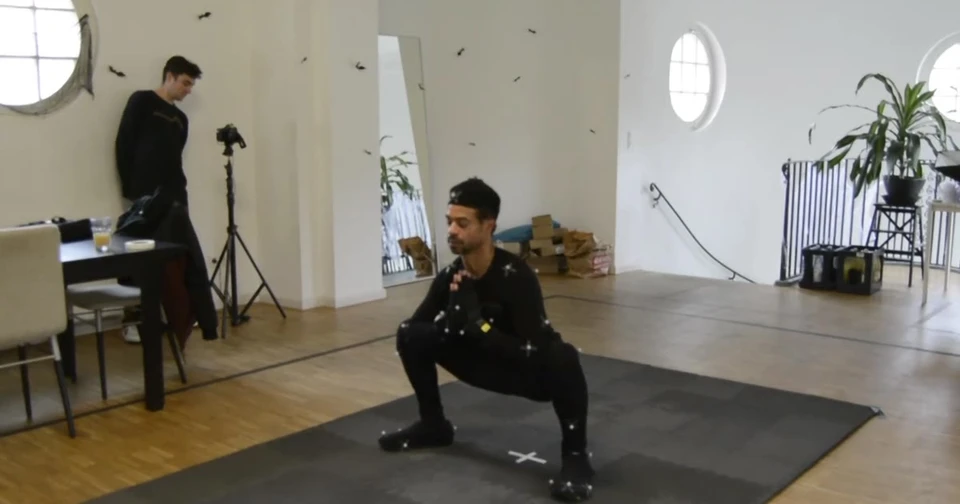
Custom Fitness Avatar Production Requirements
Plan a custom fitness avatar for your app: character design, rig requirements, movement tests, export files and approvals. Build a practical production brief.
Read article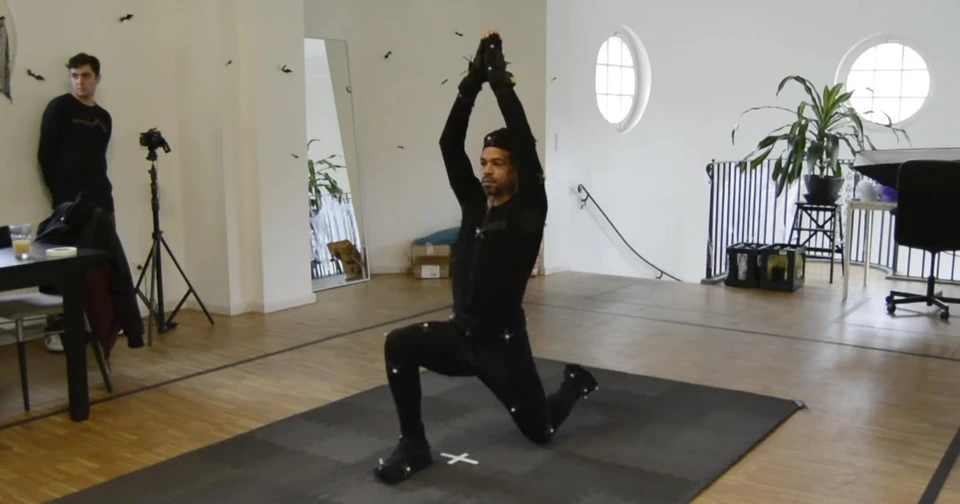
Motion Capture vs Keyframe Animation for Fitness Apps
Compare motion capture vs keyframe animation for fitness apps. Explore cleanup, retargeting, costs, delivery requirements and a practical production brief.
Read article
Comments