
How Much Does Custom Exercise Animation Cost for a Fitness App?
Understand custom exercise animation cost for fitness apps. Compare setup, movement production, review and delivery with a worked budget and quote checklist.

What should you budget for a custom exercise animation library?
Custom exercise animation cost depends on the character setup, movements, review process and files your fitness app needs. Request a quote that separates reusable setup from production per exercise, versions, approvals and handoff. A single price per clip is useful only when those inclusions are defined. This guide includes a worked calculation using hypothetical rates, plus a checklist you can copy into a quote request.
An app showing thirty looping exercise videos needs a different production plan from an interactive trainer with adjustable camera views. Start with the launch experience and ask suppliers to price the same scope. Mimic Wellbeing's Fitness Animation service is the relevant starting point for a custom production discussion. The photographs illustrate movement references and project planning.
Table of Contents
Separate setup costs from exercise production

Begin with the work that can be reused. A custom character may require concept development, modelling, materials, clothing, a skeleton and controls for animation. An existing character still needs a technical review. Ask whether it has the required commercial rights, usable source files and a rig that supports the intended exercises. Supplying a model does not establish that it is ready for production. A short test can reveal limitations before the team prices the full library.
Reusable setup can also include a lighting scene, equipment assets, camera positions, naming rules and a reference movement. Have the supplier identify what is included in the initial package and what remains chargeable when the library expands. A second character may share some motion data, but clothing, body proportions and contact points can need additional work. The custom fitness avatar requirements guide explains the character and rig decisions in more detail.
Then separate the work repeated for each exercise. That can include movement planning, performance recording or keyframe animation, retargeting, cleanup, trainer feedback, loop preparation and export. A standing shoulder press, a floor exercise and a movement using a cable machine present different contact and visibility problems. Give each exercise an identifier and reference, then ask which movements share a rate and which need individual estimates. Pricing by difficulty group can be clearer than treating every clip as identical.
The production method affects the tasks in the quote. Motion capture records a performance, then usually needs processing and adaptation to the target character. Keyframe animation involves constructing and refining the movement directly. Some productions combine both. The motion capture versus keyframe comparison helps you discuss that choice. Ask for the proposed method and the review allowance rather than assuming one technique guarantees a lower price.
Use a quote structure you can audit. Separate character and scene setup, movement production, additional deliverables, review and handoff. Record assumptions beside each line. For example, explain whether the movement price includes one loop, both sides of a unilateral exercise, equipment interaction and one feedback round. Ask whether the quote includes project management, applicable taxes and third-party costs. These details make a fixed project total easier to interpret and future additions easier to estimate.
Count movements, views and variants before comparing prices

Thirty exercise names can produce substantially more than thirty delivery files. If each movement needs two camera views, that creates sixty rendered clips. A portrait version can require a new composition, while another resolution of an approved composition may be an encoding task. Distinguish a new animation from a new render or export. Specify whether left and right sides are separate demonstrations, a combined sequence or a playback option inside the app.
Use the following worked calculation to understand the arithmetic. This is an illustrative worksheet with hypothetical euro rates. Replace every rate with a supplier's written quote before committing a budget. It assumes one character, thirty approved movements, two views per movement and a video-based delivery. It does not describe a completed Mimic project or a published Mimic price list.
Character and scene setup, using a hypothetical fixed allowance of €2,400.
Thirty movement animations at a hypothetical €120 each, giving €3,600.
Sixty final video exports at a hypothetical €15 each, giving €900.
Review and revisions, using a hypothetical allowance of €1,000.
Packaging and handoff, using a hypothetical allowance of €600.
Those inputs total €8,500 before applicable taxes, contingency, hosting or app development. Dividing by thirty gives approximately €283 per exercise across this example project. That average includes shared setup. Adding another thirty movements would require a new quote because reusable assets, remaining capacity and movement difficulty affect the next batch. The example demonstrates the calculation; it establishes no typical market rate or production duration.
Build a second version of the worksheet with the supplier's actual inclusions. Check whether review appears both inside the movement fee and as a separate allowance. Identify assumptions that could change the total, such as new clothing, a different rig, extra equipment models or late movement substitutions. Ask the studio to price optional items separately so you can compare a launch scope with an expanded scope without losing track of the baseline.
Control scope through a small, representative pilot. Include a simple movement, an equipment interaction and a movement with floor contact if all three appear in the intended library. Approve visual style and movement presentation together before expanding production. Our workout animation library guide covers exercise identifiers and library planning. A pilot provides evidence about your particular assets and review process; it does not automatically prove that every remaining exercise will take the same effort.
Include delivery, review and usage rights in the budget

Video and interactive 3D have different handoffs. Video delivery can include an agreed codec, dimensions, frame rate, background, poster images and filenames. Interactive delivery may involve a character, textures, rig, animation clips and a test scene or integration notes. Ask the developer to specify the target runtime and supported devices before the studio commits to exports. Loading a model successfully is only one part of checking the experience in an app.
For video, agree a file-size target and test playback on the devices you support. Transparent backgrounds and additional formats can change production and testing requirements. The MDN video codec guide explains why codec capabilities and platform support need checking. For interactive assets, Khronos's glTF overview describes a common 3D delivery format. Neither resource establishes that a particular supplier's exports will meet your app's requirements.
Budget for a named movement reviewer. Decide who supplies the exercise references, approves technique and resolves disagreements. A qualified trainer can review a demonstration against the intended exercise brief, while the animation team checks issues such as foot sliding, equipment contact, intersections and loop continuity. Define approval criteria and responsibility in writing. A convincing render alone cannot establish exercise safety, suitability for an individual user or clinical effectiveness.
Review rounds should have an agreed boundary. Consolidate feedback through one decision owner and distinguish corrections to the approved specification from changes to that specification. A request to fix a visible hand intersection differs from replacing an approved dumbbell with a new machine. Ask how extra rounds, reshoots and additional movements are priced, and what happens when feedback arrives after a production milestone. Keep the allowance tied to a documented review process.
Check usage and future access. The agreement should specify permitted apps, brands, territories and channels, plus whether source scenes, character files and motion data are delivered. Confirm rights for third-party assets and recorded performances where relevant. Buying finished videos does not establish ownership of every underlying asset. The custom versus stock exercise animation guide helps you decide which production route matches the level of control you need.
Keep app development, hosting, analytics and ongoing content management visible as separate responsibilities where they sit outside animation production. For project evidence, review Spark Fitness and ask which parts of that work relate to your proposed deliverables. Use an actual project's stated scope to inform questions, while building your budget around your own requirements. The technology page's motion capture section provides further context for a production conversation.
Compare quotes with a copyable request checklist

Send the same brief to each studio. Comparing a finished-video quote with a character-and-source-files quote gives an incomplete picture even when both mention thirty exercises. Request a base scope, optional items and exclusions. Ask each supplier to identify unresolved assumptions before you evaluate the total. A proposal should make it possible to understand what you receive, how it is approved and what triggers a change in price.
Copy the following checklist into an email or project document. Replace each prompt with your requirements, and mark uncertain items for discussion. Attach an exercise list with stable identifiers and references. Avoid sending personal health information when a general description of the intended audience is sufficient.
Product and audience: App name, intended users, target platforms and launch goals.
Exercise scope: Number of unique movements, equipment, unilateral variations and representative references.
Character scope: Existing assets or new creation, number of characters, clothing and branding requirements.
Production scope: Preferred method if known, required movement review and responsibility for references.
Delivery scope: Video or interactive 3D, camera views, dimensions, background, poster images and metadata.
Approval scope: Decision owner, included feedback rounds and acceptance criteria for a pilot.
Rights and handoff: Permitted uses, source-file expectations, performance permissions and future additions.
Commercial scope: Budget range, currency, tax treatment, intended deadline and separately priced options.
After receiving proposals, ask each studio to state the reusable setup charge, the cost of a representative movement and the price of an additional view or revision. Clarify whether technical integration and developer support are included. Confirm the schedule after references, assets and approvals are available. A rapid first sample and a full production library have different dependencies, so request milestones instead of relying on an unexplained delivery date.
The most useful next step is a scoped conversation supported by a movement list. You can learn about the Mimic Wellbeing studio before sharing a brief. Send the launch exercise count, example references, character status and target platform, then ask for a pilot proposal and a separate library estimate. This gives the studio enough information to discuss assumptions and options without presenting a preliminary number as a final commitment.
Frequently asked questions
How much does a custom exercise animation cost?
The cost depends on reusable setup, movement complexity, versions, review and delivery. Ask for a scoped quote that identifies these separately. The €8,500 worksheet in this article uses hypothetical inputs for thirty movements and sixty video exports. It is a calculation example, not a Mimic quote or market benchmark.
Why can a price per exercise be misleading?
One quote may include a character, equipment and review, while another assumes those are supplied. Check whether the rate covers one movement, one camera view or every final file. Compare the full project total alongside its inclusions, then ask how future movements are charged.
Does supplying a rigged character reduce the budget?
It can remove some creation work if the rights and source assets are suitable. The studio still needs to inspect the rig, materials and deformation during representative movements. Request a technical assessment before treating the character as ready to use, and price any required repairs separately.
Is motion capture cheaper than keyframe animation?
That depends on the movement set, capture arrangements, cleanup and target character. Motion capture introduces recording and processing tasks; keyframe animation introduces direct construction and refinement work. Ask the supplier to explain the method proposed for your actual exercises and the assumptions behind the estimate.
Do extra camera angles require another animation?
An approved 3D movement can often be rendered from another camera, but composition, visibility and quality checks still require work. A view can expose intersections that were hidden before. Ask for separate pricing for additional views and specify whether they are video exports or interactive camera controls.
Should I commission a pilot before a full library?
A representative pilot helps establish style, movement review and technical delivery. Choose exercises that test the difficult parts of your scope. Agree acceptance criteria and ask which pilot assets can carry into production. Confirm how changes discovered during the pilot affect the remaining estimate.
Are source files and commercial rights included?
They depend on the agreement. Specify the rights you need for apps, advertising and future adaptations, and request an explicit list of delivered files. Confirm any third-party restrictions and permissions for recorded performances. Ask the studio to document these terms before production begins.
What should I send to get a useful quote?
Send an exercise list, sample references, character status, target platform, output formats, review responsibilities and launch priorities. Include a budget range and intended deadline if available. The request checklist above helps a studio identify missing information and price the same scope you are evaluating.
Conclusion
A useful custom exercise animation budget makes its assumptions visible. Separate reusable setup from movement production, count the final views and formats, and define review, rights and handoff before comparing totals. Use a representative pilot to resolve technical and creative questions, then agree the remaining scope with the supplier.
Ready to scope your app's exercise content? Discuss your fitness animation brief with Mimic Wellbeing. Share your launch exercise list, example movements, character requirements and target platform so the team can discuss a pilot and prepare a scoped proposal.
What should you budget for a custom exercise animation library?
Custom exercise animation cost depends on the character setup, movements, review process and files your fitness app needs. Request a quote that separates reusable setup from production per exercise, versions, approvals and handoff. A single price per clip is useful only when those inclusions are defined. This guide includes a worked calculation using hypothetical rates, plus a checklist you can copy into a quote request.
An app showing thirty looping exercise videos needs a different production plan from an interactive trainer with adjustable camera views. Start with the launch experience and ask suppliers to price the same scope. Mimic Wellbeing's Fitness Animation service is the relevant starting point for a custom production discussion. The photographs illustrate movement references and project planning.
Table of Contents
Separate setup costs from exercise production
Begin with the work that can be reused. A custom character may require concept development, modelling, materials, clothing, a skeleton and controls for animation. An existing character still needs a technical review. Ask whether it has the required commercial rights, usable source files and a rig that supports the intended exercises. Supplying a model does not establish that it is ready for production. A short test can reveal limitations before the team prices the full library.
Reusable setup can also include a lighting scene, equipment assets, camera positions, naming rules and a reference movement. Have the supplier identify what is included in the initial package and what remains chargeable when the library expands. A second character may share some motion data, but clothing, body proportions and contact points can need additional work. The custom fitness avatar requirements guide explains the character and rig decisions in more detail.
Then separate the work repeated for each exercise. That can include movement planning, performance recording or keyframe animation, retargeting, cleanup, trainer feedback, loop preparation and export. A standing shoulder press, a floor exercise and a movement using a cable machine present different contact and visibility problems. Give each exercise an identifier and reference, then ask which movements share a rate and which need individual estimates. Pricing by difficulty group can be clearer than treating every clip as identical.
The production method affects the tasks in the quote. Motion capture records a performance, then usually needs processing and adaptation to the target character. Keyframe animation involves constructing and refining the movement directly. Some productions combine both. The motion capture versus keyframe comparison helps you discuss that choice. Ask for the proposed method and the review allowance rather than assuming one technique guarantees a lower price.
Use a quote structure you can audit. Separate character and scene setup, movement production, additional deliverables, review and handoff. Record assumptions beside each line. For example, explain whether the movement price includes one loop, both sides of a unilateral exercise, equipment interaction and one feedback round. Ask whether the quote includes project management, applicable taxes and third-party costs. These details make a fixed project total easier to interpret and future additions easier to estimate.
Count movements, views and variants before comparing prices
Thirty exercise names can produce substantially more than thirty delivery files. If each movement needs two camera views, that creates sixty rendered clips. A portrait version can require a new composition, while another resolution of an approved composition may be an encoding task. Distinguish a new animation from a new render or export. Specify whether left and right sides are separate demonstrations, a combined sequence or a playback option inside the app.
Use the following worked calculation to understand the arithmetic. This is an illustrative worksheet with hypothetical euro rates. Replace every rate with a supplier's written quote before committing a budget. It assumes one character, thirty approved movements, two views per movement and a video-based delivery. It does not describe a completed Mimic project or a published Mimic price list.
Character and scene setup, using a hypothetical fixed allowance of €2,400.
Thirty movement animations at a hypothetical €120 each, giving €3,600.
Sixty final video exports at a hypothetical €15 each, giving €900.
Review and revisions, using a hypothetical allowance of €1,000.
Packaging and handoff, using a hypothetical allowance of €600.
Those inputs total €8,500 before applicable taxes, contingency, hosting or app development. Dividing by thirty gives approximately €283 per exercise across this example project. That average includes shared setup. Adding another thirty movements would require a new quote because reusable assets, remaining capacity and movement difficulty affect the next batch. The example demonstrates the calculation; it establishes no typical market rate or production duration.
Build a second version of the worksheet with the supplier's actual inclusions. Check whether review appears both inside the movement fee and as a separate allowance. Identify assumptions that could change the total, such as new clothing, a different rig, extra equipment models or late movement substitutions. Ask the studio to price optional items separately so you can compare a launch scope with an expanded scope without losing track of the baseline.
Control scope through a small, representative pilot. Include a simple movement, an equipment interaction and a movement with floor contact if all three appear in the intended library. Approve visual style and movement presentation together before expanding production. Our workout animation library guide covers exercise identifiers and library planning. A pilot provides evidence about your particular assets and review process; it does not automatically prove that every remaining exercise will take the same effort.
Include delivery, review and usage rights in the budget
Video and interactive 3D have different handoffs. Video delivery can include an agreed codec, dimensions, frame rate, background, poster images and filenames. Interactive delivery may involve a character, textures, rig, animation clips and a test scene or integration notes. Ask the developer to specify the target runtime and supported devices before the studio commits to exports. Loading a model successfully is only one part of checking the experience in an app.
For video, agree a file-size target and test playback on the devices you support. Transparent backgrounds and additional formats can change production and testing requirements. The MDN video codec guide explains why codec capabilities and platform support need checking. For interactive assets, Khronos's glTF overview describes a common 3D delivery format. Neither resource establishes that a particular supplier's exports will meet your app's requirements.
Budget for a named movement reviewer. Decide who supplies the exercise references, approves technique and resolves disagreements. A qualified trainer can review a demonstration against the intended exercise brief, while the animation team checks issues such as foot sliding, equipment contact, intersections and loop continuity. Define approval criteria and responsibility in writing. A convincing render alone cannot establish exercise safety, suitability for an individual user or clinical effectiveness.
Review rounds should have an agreed boundary. Consolidate feedback through one decision owner and distinguish corrections to the approved specification from changes to that specification. A request to fix a visible hand intersection differs from replacing an approved dumbbell with a new machine. Ask how extra rounds, reshoots and additional movements are priced, and what happens when feedback arrives after a production milestone. Keep the allowance tied to a documented review process.
Check usage and future access. The agreement should specify permitted apps, brands, territories and channels, plus whether source scenes, character files and motion data are delivered. Confirm rights for third-party assets and recorded performances where relevant. Buying finished videos does not establish ownership of every underlying asset. The custom versus stock exercise animation guide helps you decide which production route matches the level of control you need.
Keep app development, hosting, analytics and ongoing content management visible as separate responsibilities where they sit outside animation production. For project evidence, review Spark Fitness and ask which parts of that work relate to your proposed deliverables. Use an actual project's stated scope to inform questions, while building your budget around your own requirements. The technology page's motion capture section provides further context for a production conversation.
Compare quotes with a copyable request checklist
Send the same brief to each studio. Comparing a finished-video quote with a character-and-source-files quote gives an incomplete picture even when both mention thirty exercises. Request a base scope, optional items and exclusions. Ask each supplier to identify unresolved assumptions before you evaluate the total. A proposal should make it possible to understand what you receive, how it is approved and what triggers a change in price.
Copy the following checklist into an email or project document. Replace each prompt with your requirements, and mark uncertain items for discussion. Attach an exercise list with stable identifiers and references. Avoid sending personal health information when a general description of the intended audience is sufficient.
Product and audience: App name, intended users, target platforms and launch goals.
Exercise scope: Number of unique movements, equipment, unilateral variations and representative references.
Character scope: Existing assets or new creation, number of characters, clothing and branding requirements.
Production scope: Preferred method if known, required movement review and responsibility for references.
Delivery scope: Video or interactive 3D, camera views, dimensions, background, poster images and metadata.
Approval scope: Decision owner, included feedback rounds and acceptance criteria for a pilot.
Rights and handoff: Permitted uses, source-file expectations, performance permissions and future additions.
Commercial scope: Budget range, currency, tax treatment, intended deadline and separately priced options.
After receiving proposals, ask each studio to state the reusable setup charge, the cost of a representative movement and the price of an additional view or revision. Clarify whether technical integration and developer support are included. Confirm the schedule after references, assets and approvals are available. A rapid first sample and a full production library have different dependencies, so request milestones instead of relying on an unexplained delivery date.
The most useful next step is a scoped conversation supported by a movement list. You can learn about the Mimic Wellbeing studio before sharing a brief. Send the launch exercise count, example references, character status and target platform, then ask for a pilot proposal and a separate library estimate. This gives the studio enough information to discuss assumptions and options without presenting a preliminary number as a final commitment.
Frequently asked questions
How much does a custom exercise animation cost?
The cost depends on reusable setup, movement complexity, versions, review and delivery. Ask for a scoped quote that identifies these separately. The €8,500 worksheet in this article uses hypothetical inputs for thirty movements and sixty video exports. It is a calculation example, not a Mimic quote or market benchmark.
Why can a price per exercise be misleading?
One quote may include a character, equipment and review, while another assumes those are supplied. Check whether the rate covers one movement, one camera view or every final file. Compare the full project total alongside its inclusions, then ask how future movements are charged.
Does supplying a rigged character reduce the budget?
It can remove some creation work if the rights and source assets are suitable. The studio still needs to inspect the rig, materials and deformation during representative movements. Request a technical assessment before treating the character as ready to use, and price any required repairs separately.
Is motion capture cheaper than keyframe animation?
That depends on the movement set, capture arrangements, cleanup and target character. Motion capture introduces recording and processing tasks; keyframe animation introduces direct construction and refinement work. Ask the supplier to explain the method proposed for your actual exercises and the assumptions behind the estimate.
Do extra camera angles require another animation?
An approved 3D movement can often be rendered from another camera, but composition, visibility and quality checks still require work. A view can expose intersections that were hidden before. Ask for separate pricing for additional views and specify whether they are video exports or interactive camera controls.
Should I commission a pilot before a full library?
A representative pilot helps establish style, movement review and technical delivery. Choose exercises that test the difficult parts of your scope. Agree acceptance criteria and ask which pilot assets can carry into production. Confirm how changes discovered during the pilot affect the remaining estimate.
Are source files and commercial rights included?
They depend on the agreement. Specify the rights you need for apps, advertising and future adaptations, and request an explicit list of delivered files. Confirm any third-party restrictions and permissions for recorded performances. Ask the studio to document these terms before production begins.
What should I send to get a useful quote?
Send an exercise list, sample references, character status, target platform, output formats, review responsibilities and launch priorities. Include a budget range and intended deadline if available. The request checklist above helps a studio identify missing information and price the same scope you are evaluating.
Conclusion
A useful custom exercise animation budget makes its assumptions visible. Separate reusable setup from movement production, count the final views and formats, and define review, rights and handoff before comparing totals. Use a representative pilot to resolve technical and creative questions, then agree the remaining scope with the supplier.
Ready to scope your app's exercise content? Discuss your fitness animation brief with Mimic Wellbeing. Share your launch exercise list, example movements, character requirements and target platform so the team can discuss a pilot and prepare a scoped proposal.
General information about technology and wellbeing, not personal medical advice. Read our editorial policy.
Continue exploring.

Exercise Animations for Fitness Apps: Custom vs Stock
Compare stock and custom exercise animations for fitness apps: asset formats, licensing, movement review and pilot tests. Plan a clear production brief.
Read article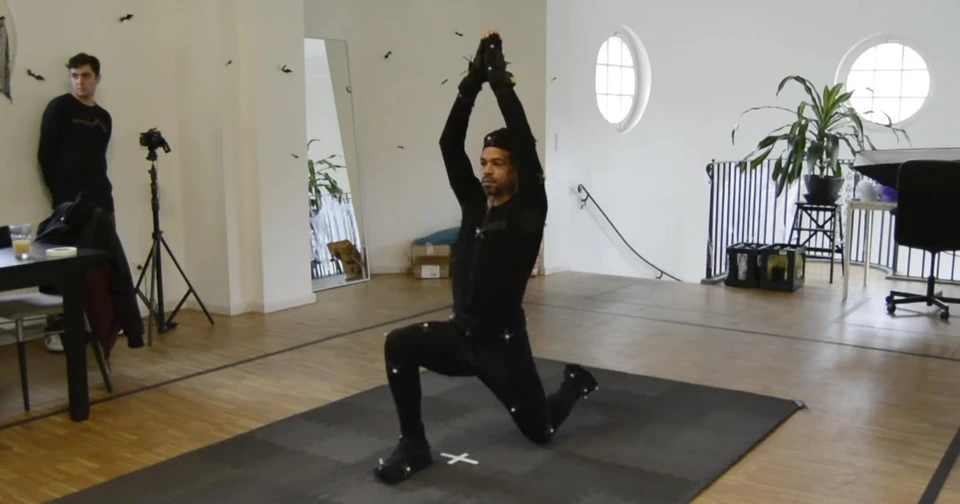
Motion Capture vs Keyframe Animation for Fitness Apps
Compare motion capture vs keyframe animation for fitness apps. Explore cleanup, retargeting, costs, delivery requirements and a practical production brief.
Read article
Comments